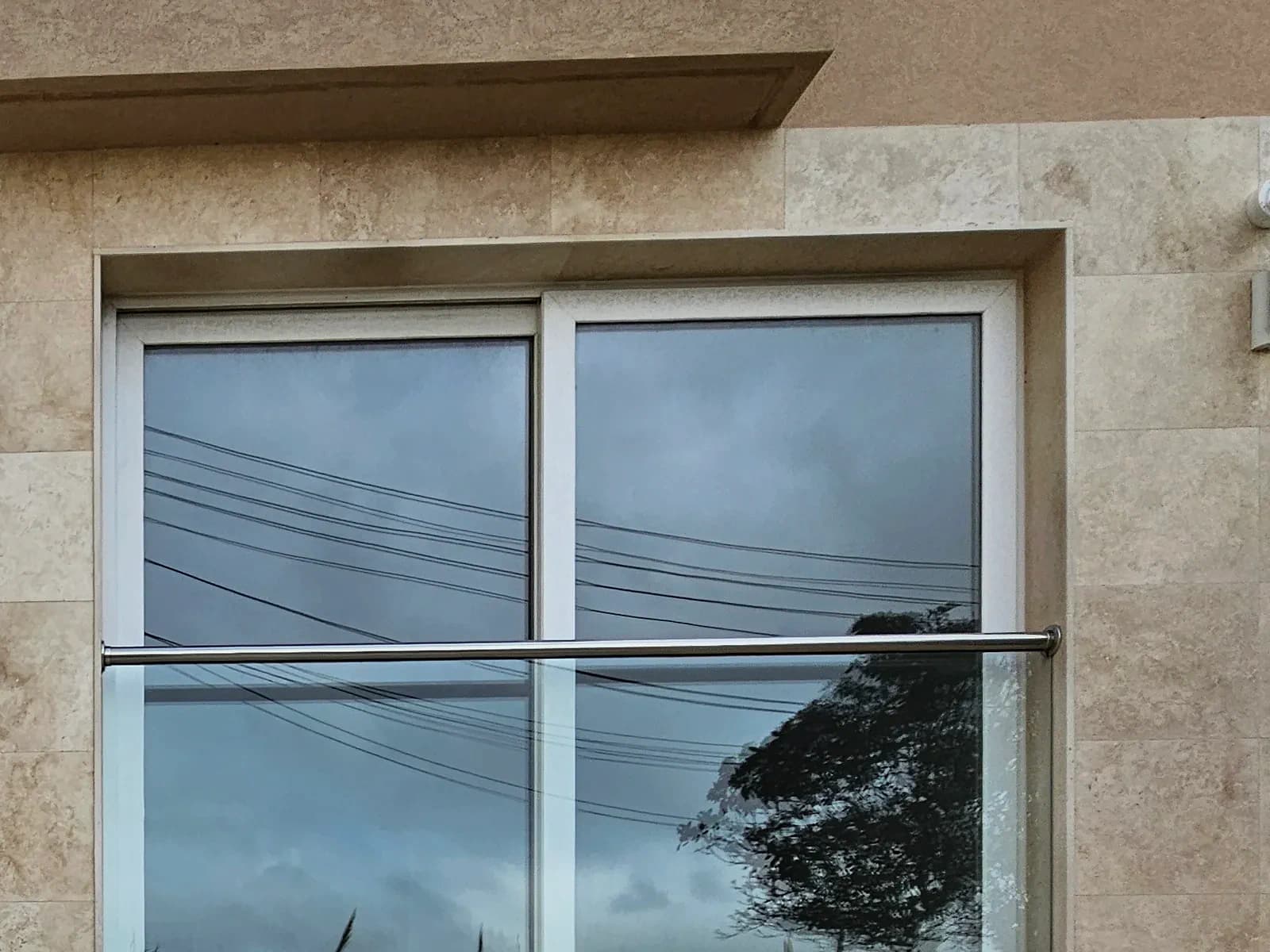
Aluminium Windows
Sleek, durable, and thermally broken aluminium windows designed for modern living in Malta.
View Details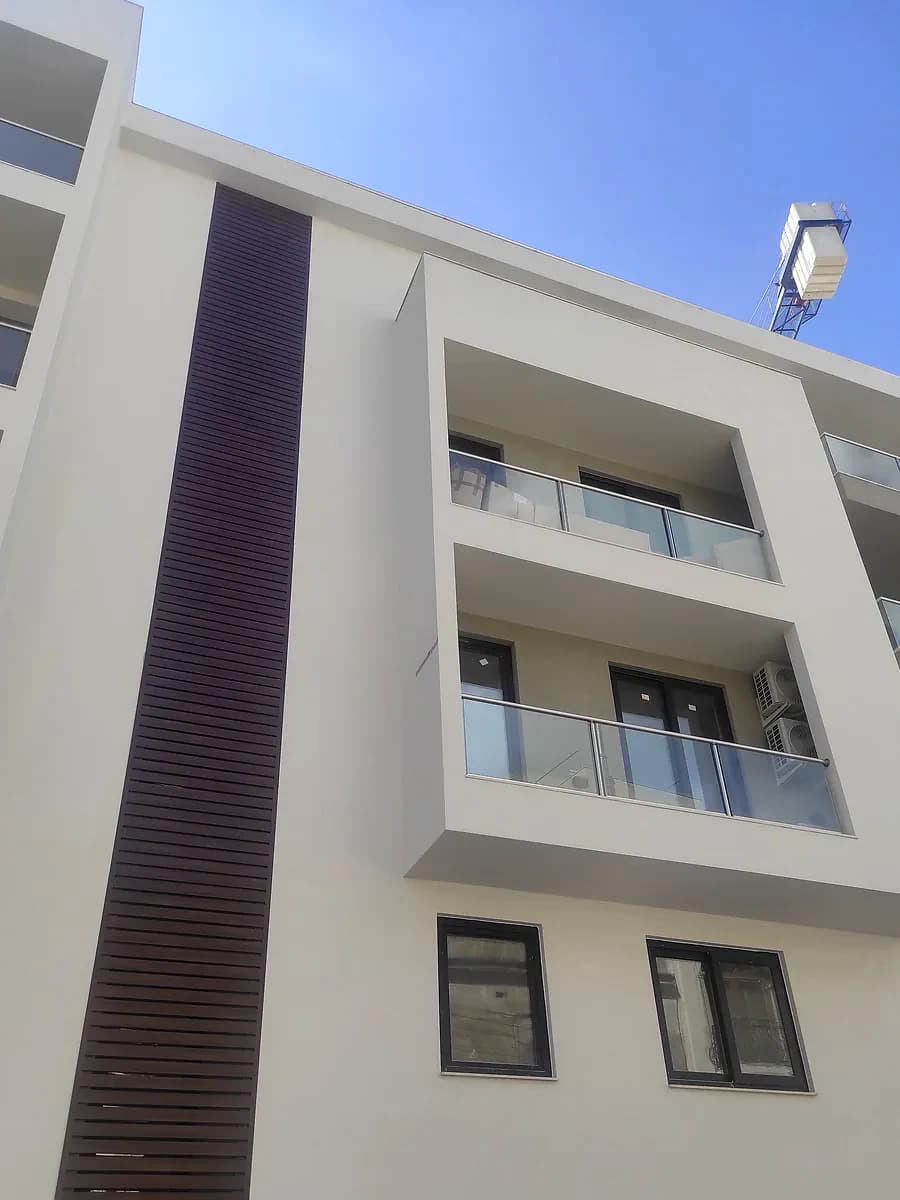
Guide
Aluminium suits exposed, coastal or contemporary properties that need slim sightlines and long-term corrosion resistance; uPVC suits budget-conscious projects prioritising thermal and acoustic insulation on standard openings. The right choice depends on your property's exposure and architecture more than on price alone.
If you're planning new windows in Malta, the aluminium-versus-uPVC question comes up early — and for good reason. Both materials perform well when specified correctly, but Malta's combination of intense summer sun, high humidity and salt-laden coastal air makes the wrong choice more noticeable here than in milder climates. Here's how the two compare on the factors that actually matter for a Maltese property.
Properties within a few kilometres of the coast — think Sliema, St Julian's, Mellieħa or Marsaskala — are exposed to salt-laden air that accelerates corrosion on lower-grade metals and unprotected fixings. Add in strong UV exposure for most of the year and sharp swings between a humid winter and a hot summer, and frame material becomes a durability decision, not just an aesthetic one.
This doesn't rule either material out. It does mean the specification — the alloy grade, the powder coating, the profile chambers — matters more here than in a temperate climate where either material would perform adequately regardless.
Aluminium's strength-to-weight ratio allows for slimmer frame sightlines and larger glazed openings — useful for contemporary architecture, sea-view apartments and large sliding or lift-and-slide doors where you want more glass and less frame.
Thermally broken aluminium profiles (with a polyamide barrier separating the interior and exterior frame) close most of the thermal-performance gap with uPVC, while Qualicoat-certified powder coating in a seaside-rated finish resists the salt corrosion and UV fading that shortens the life of unprotected metal on exposed facades.
Multi-chamber uPVC profiles are naturally strong thermal and acoustic insulators — the air pockets inside the frame reduce heat transfer and dampen outside noise more effectively than a comparable aluminium frame without a thermal break.
uPVC also tends to be the more cost-effective option for standard-sized residential windows that don't need the strength or spans aluminium is suited for, and it never needs repainting — the colour runs through the material rather than sitting on a surface coating.
Rather than choosing a material first, it helps to work backwards from the property:
Common Questions
Direct answers to what people usually ask alongside "Aluminium vs uPVC Windows in Malta: Which Should You Choose?".
Related Products
Sleek, durable, and thermally broken aluminium windows designed for modern living in Malta.
View Details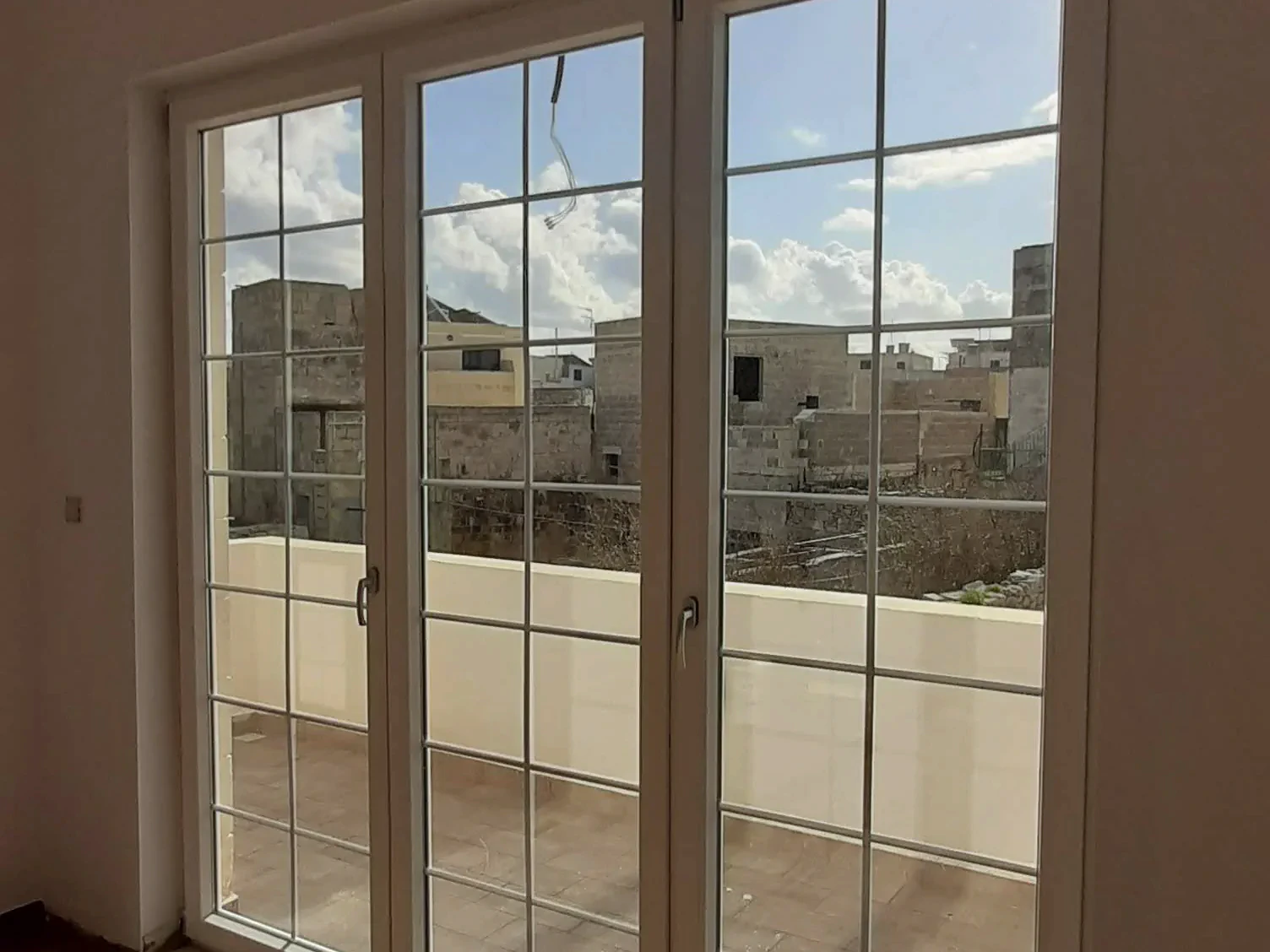
Low-maintenance, multi-chamber insulated windows engineered for acoustic comfort and energy efficiency.
View DetailsGet in touch today for a free consultation and quote.