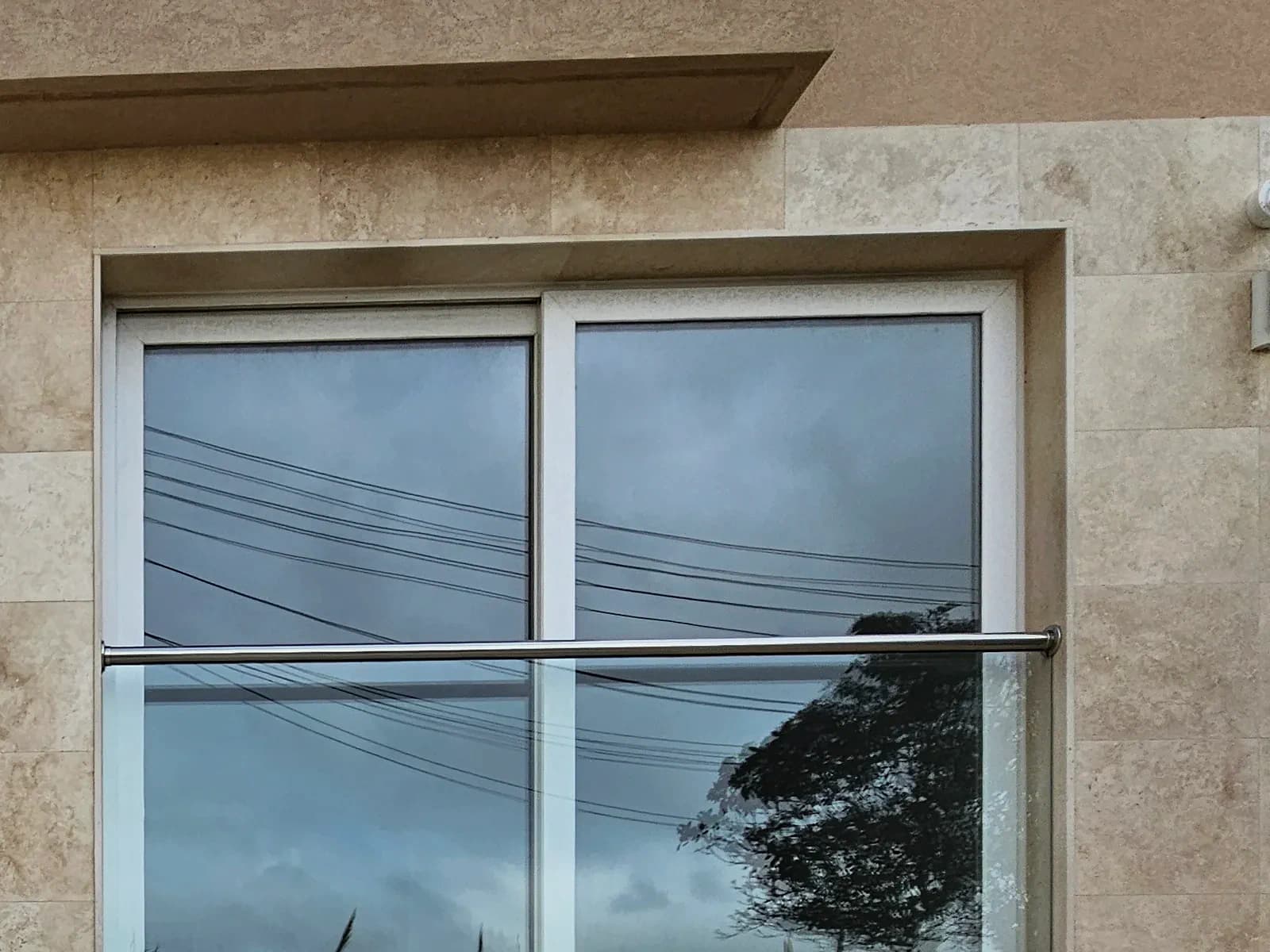
Aluminium Windows
Sleek, durable, and thermally broken aluminium windows designed for modern living in Malta.
View Details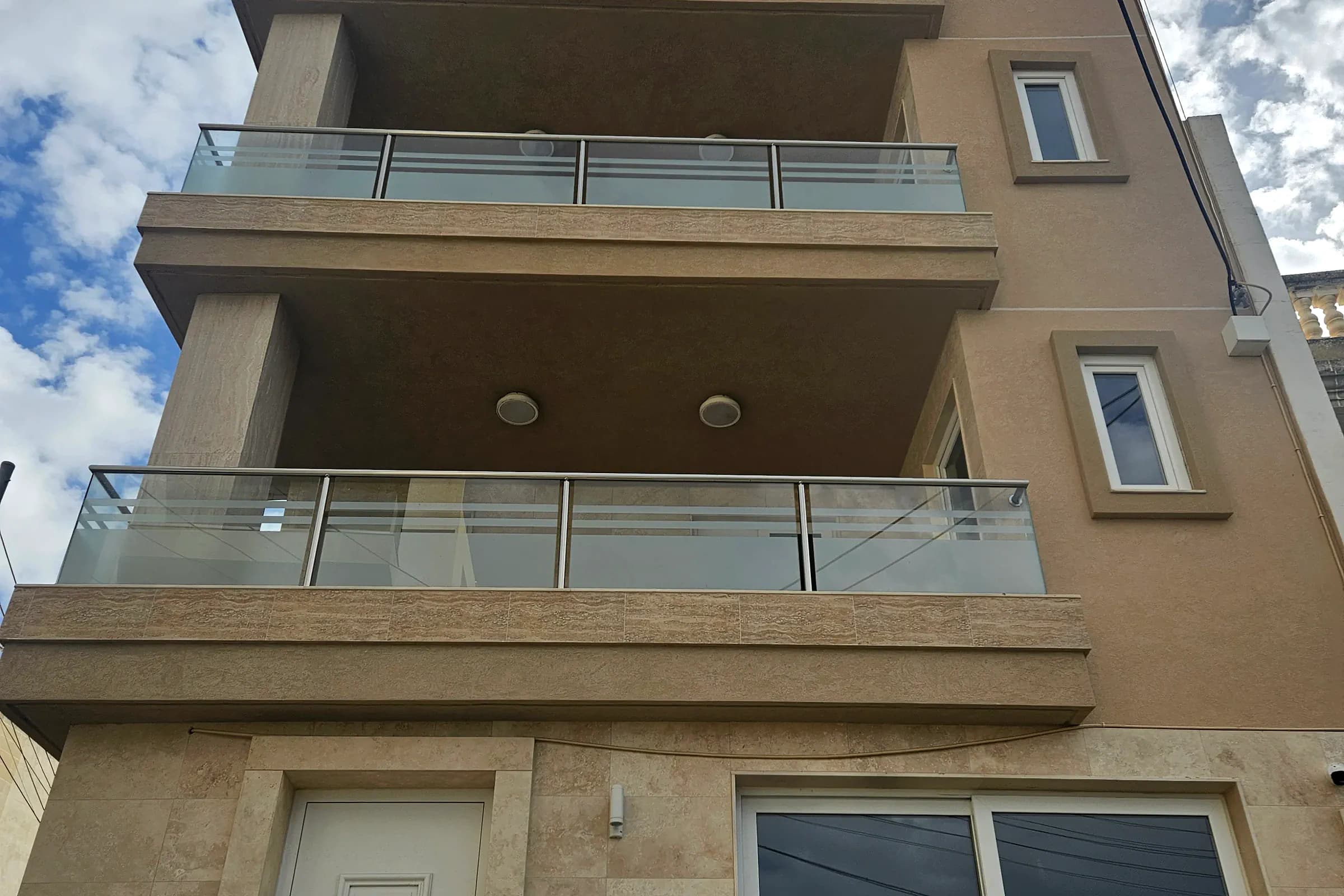
Guide
Frames that stick or won't lock properly, visible corrosion or chalking on the finish, fogging between glass panes, noticeable draughts, and rising energy bills or outside noise are the clearest signs of failing windows or doors — especially in Malta's coastal, high-UV climate where wear shows earlier than inland or temperate properties.
Windows and doors fail gradually, which makes it easy to adjust to small problems — a handle that needs a firm pull, a draught you've started closing the curtain over — without registering that the system itself has reached the end of its useful life. Here are the five signs worth paying attention to, and how to tell whether you're looking at a repair or a replacement.
If a window or door needs real force to open, close or lock — or the handle no longer engages the multi-point lock cleanly — the frame has likely warped slightly or the mechanism has worn out. On older aluminium without a thermal break, or on timber, this is often the first visible sign of a system reaching end of life.
Malta's salt air accelerates corrosion on lower-grade metal and unprotected fixings, and constant UV exposure causes lower-quality powder coatings to chalk or fade. If you can wipe a dusty residue off the frame's colour, or see pitting on hinges and fixings, the protective finish has broken down — and with it, usually, the seals underneath.
Moisture appearing between two panes of a double-glazed unit — not on the surface, but trapped inside — means the seal around the glazed unit has failed. This isn't a cleaning problem and it doesn't resolve itself; the glazed unit needs replacing, and if it's happening across several windows, the rest are likely reaching the same point.
Worn gaskets and slightly warped frames let conditioned air escape around the edges — often felt as a draught near the frame, or noticed indirectly as air conditioning running longer to hold the same temperature. This is typically the biggest single driver of the energy savings people notice after replacing old single-glazed or unbroken aluminium frames with modern thermally broken or multi-chamber systems.
If road or courtyard noise seems to have gotten louder without an obvious cause outside, it's often the seals and glazing losing their acoustic performance rather than the noise itself increasing. Acoustic-rated double glazing and intact gaskets make a noticeable difference here.
A single issue in isolation — one stiff handle, one failed glazed unit in an otherwise sound frame — can often be serviced without replacing the whole window. Multiple signs together, especially on original aluminium or timber that predates thermally broken profiles, usually means a full replacement pays for itself faster through energy savings and lower maintenance than repeated repairs. Quality aluminium and uPVC systems are generally built to perform well for decades, but coastal exposure and an inadequate original specification can shorten that considerably.
Common Questions
Direct answers to what people usually ask alongside "5 Signs It's Time to Replace Your Windows or Doors".
Related Products
Sleek, durable, and thermally broken aluminium windows designed for modern living in Malta.
View Details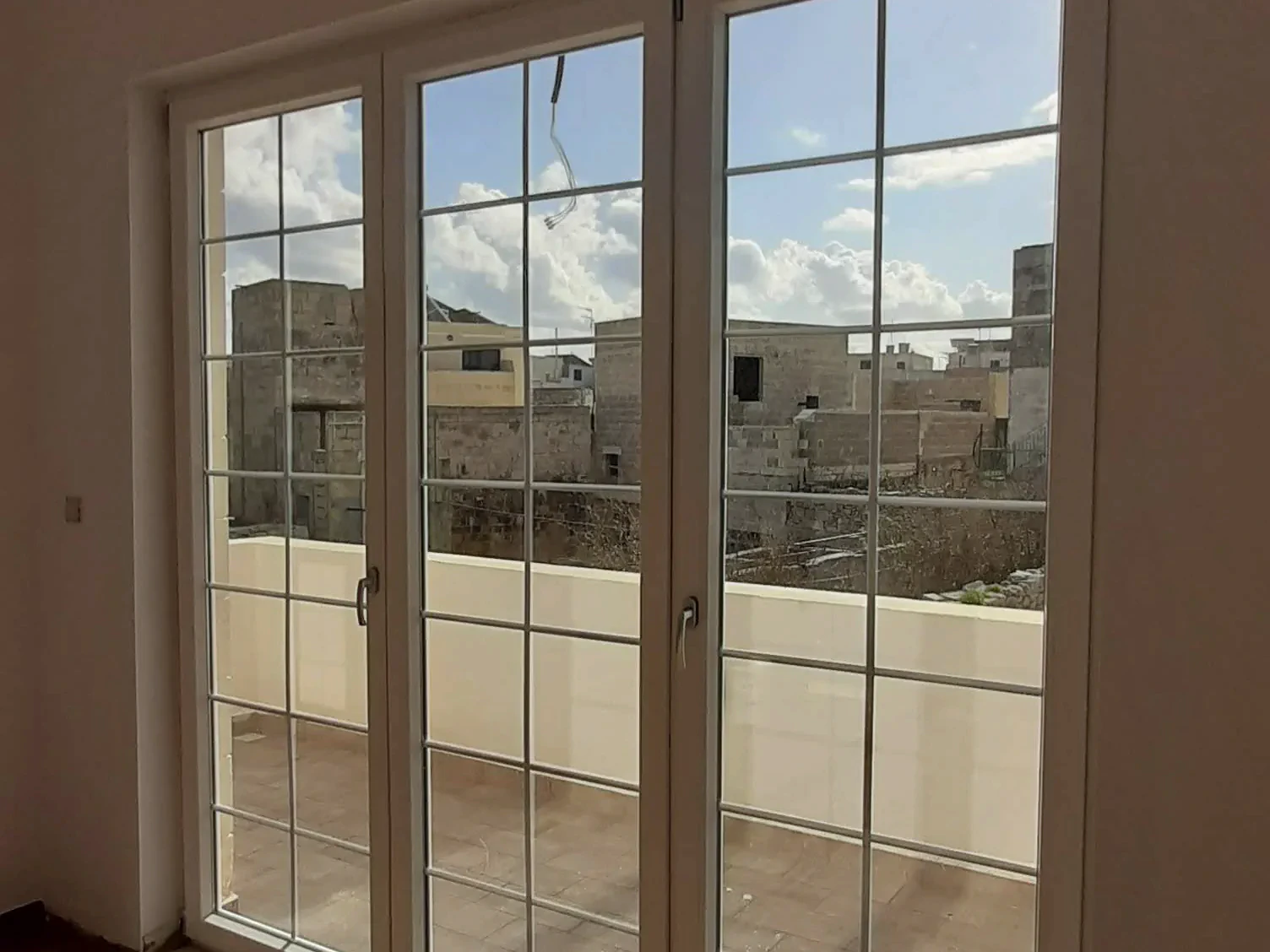
Low-maintenance, multi-chamber insulated windows engineered for acoustic comfort and energy efficiency.
View Details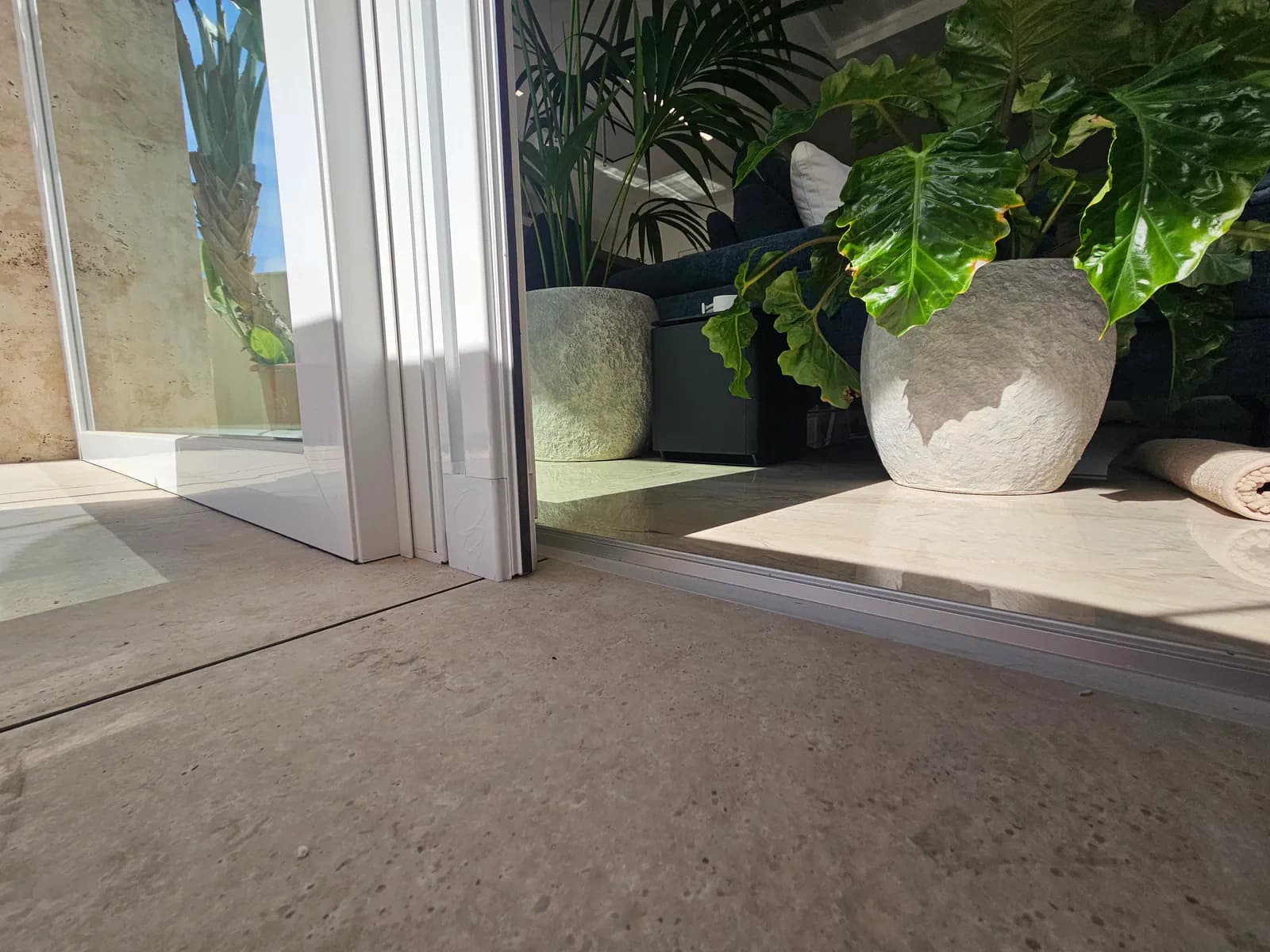
Smooth-gliding, large-format aluminium sliding and lift-and-slide door systems for terraces and patios.
View DetailsGet in touch today for a free consultation and quote.